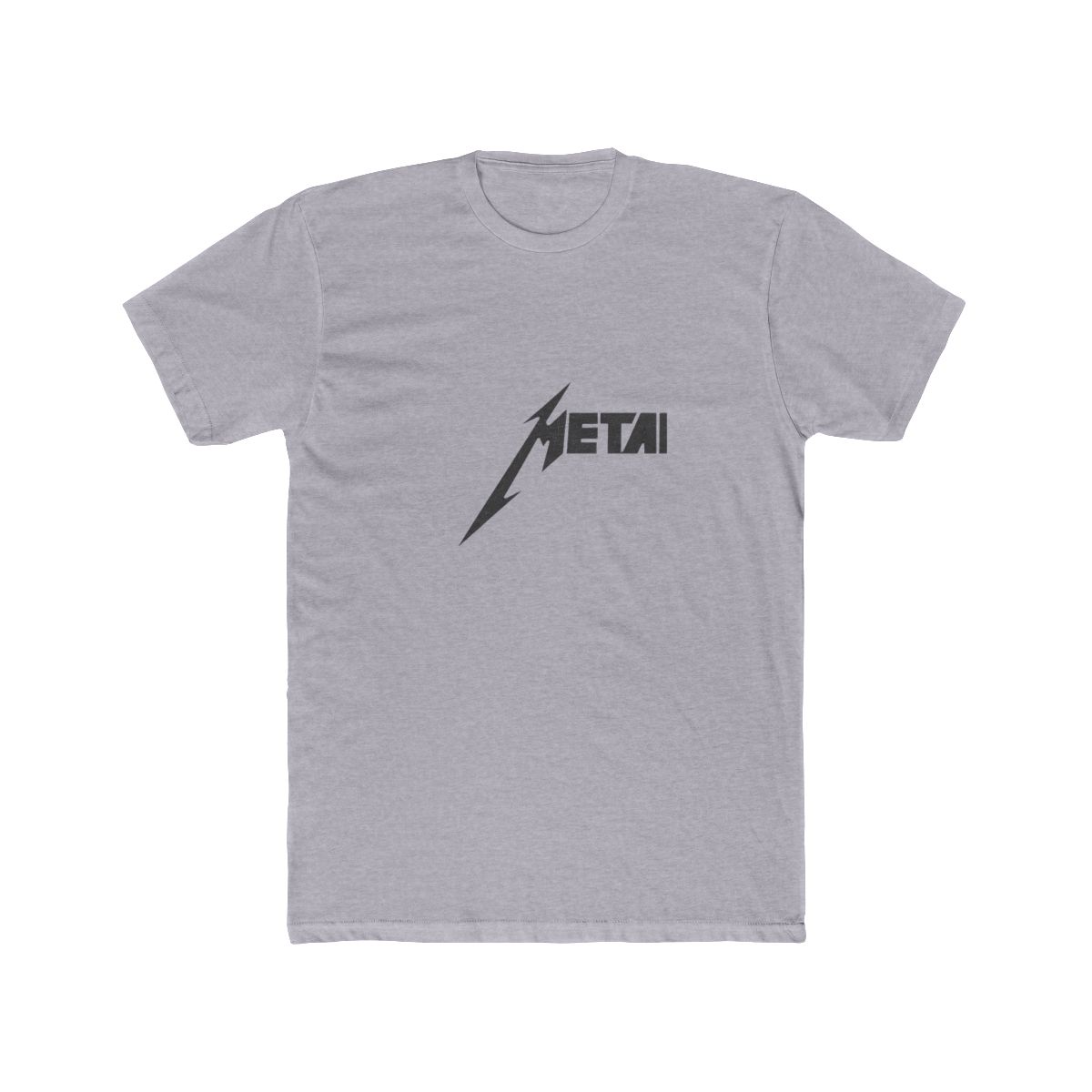
Owning a Metallica shirt is more than owning a piece of clothing. It is a badge of loyalty to a band that has defined heavy metal for four decades. Whether you snagged a classic tour tee from the 80s or a limited drop from the official store, the artwork and fabric carry a history that quick wash cycles can destroy. This guide walks you through the exact steps to wash, dry, store, and even revive your Metallica merch, so every wear feels like the first time. Treat these pieces as what they are: wearable artifacts.
← Back to Blog
Metallica Merch Care: Wash and Preserve Your Band Gear
Metallica shirts are more than fabric. The print carries a legacy. This guide covers the right washing, drying, ironing, and storage methods to keep your band merch looking sharp for years.
Read the Care Label on Your Metallica Tee
Before you even touch the washing machine, take a look at the care label. Most official Metallica shirts are 100% cotton or a cotton-poly blend. That fabric composition changes how you should treat the shirt. Cotton can shrink in hot water, while poly blends hold shape but are sensitive to high heat. The label often specifies temperature, drying method, and whether you can use chlorine bleach. But for a graphic tee, the standard rules are usually the same: cold water, mild detergent, and no high heat. Some newer shirts also feature special finishes like pigments that mimic vintage band merch. These finishes require even gentler handling. Print manufacturers use different inks, from water-based to plastisol. If you cannot see the label because it has worn away, err on the side of caution and choose the coolest, least aggressive cycle. That is the safest starting point.
Best Practices for Washing Graphic Band Shirts
The most important step in washing any Metallica shirt is turning it inside out. This keeps the printed design from rubbing against other clothes and the drum of the machine. The friction of the wash cycle is your enemy. Screen-printed art can crack and peel when it scrapes against denim or zippers. The inside-out method is not a nice-to-have; it is the single most effective way to protect the print.
The essentials for machine washing:
- Turn the shirt inside out before every wash.
- Use cold water. Set the machine to a gentle or delicate cycle.
- Choose a mild, liquid detergent without optical brighteners.
- Never use bleach, not even a splash.
- Wash with similar colors, or better yet, alone.
Use cold water. Hot water breaks down the cotton fibers and can cause the ink to separate. Set your washer to a gentle or delicate cycle with a low spin speed. If your machine has a hand-wash setting, use that. The print on many iconic Metallica shirts, like the cross on the black album or the pushead artwork on vintage tees, is screen-printed. These prints are durable but not indestructible. A mild detergent, preferably one without brighteners or harsh chemicals, is enough to lift sweat and grime. Skip the bleach entirely. If you want to keep the colors vibrant, use a color-safe alternative. Another key point: wash your band shirts with like colors, or even better, on their own. This prevents any dye transfer, especially for black or white shirts. If you own a light shirt with a dark print, the contrast colors can bleed. A separate wash avoids that risk.
For the truly precious pieces, hand washing is the gold standard. Fill a basin with cold water, add a drop of mild soap, and soak the shirt for a few minutes. Gently agitate with your hands, then rinse thoroughly. Do not wring or twist. Press the water out by laying the shirt on a clean towel and rolling it up. This method is ideal for vintage shirts, or those with metallic finishes that can dull in a machine. Many Metallica fans have older shirts with glitter or foil prints; those need the gentle touch. You can also use a mesh laundry bag for machine washing as an added layer of protection. But even with a bag, turn the shirt inside out first.
How to Dry and Iron Without Damaging the Print
Drying is where most subtle damage occurs. High heat can melt the plastic-based inks used in some prints. This is not an exaggeration; clothing dryers can reach temperatures that cause the ink to become sticky and peel away from the fabric. The safest route is air drying. Hang the shirt on a plastic hanger or lay it flat on a drying rack. If you let it hang, the weight of water can stretch the fabric, so laying flat is often better. For a heavy hoodie, laying flat is the only safe option. If you must use a dryer, choose the lowest heat setting and keep the shirt inside out. Even then, the print is vulnerable. The tumbling action alone can cause wear, so a low heat cycle that is short is the maximum you should risk. For hoodies and outerwear, the same logic applies. If you have a black hoodie with a large back print, you do not want that print to crack after three washes.
Drying methods:
- Lay flat on a clean towel or drying rack.
- Hang on a plastic hanger if you must, but be aware of stretching.
- Use a garment steamer to remove wrinkles without touching the print.
- If using a dryer, only on the lowest heat, and only as a last resort.
Ironing a graphic tee demands caution. Never place a hot iron directly on the print. The heat can fuse the ink to the iron and ruin the design. If you need to remove wrinkles, iron the shirt inside out on a low temperature. Place a thin cotton cloth over any printed area if you must iron from the front. A garment steamer is actually the ideal tool. It relaxes the fibers without direct contact, so you can smooth out the shirt without ever touching the print. Steaming also works well on cotton and helps the shirt hold its shape. Many band shirts come out of the wash with wrinkles that are natural for cotton. You can embrace the crinkle and skip the iron entirely. But if you are heading to a show and want to look sharp, steaming is your best ally.
Storing and Folding Your Metallica Collection
Your Metallica merch deserves a proper home. Folding is the safest method. Fold the shirt so the front print is surrounded by fabric and not creased. Avoid hanging shirts with narrow wire hangers, as they can stretch the collar and distort the shoulders. If you do hang, use wide, padded hangers. Some collectors hang their shirts by the shoulders, but over time the weight of the fabric can put stress on the print. Folding and stacking is the museum standard. Store your tees in a cool, dry place. Humidity can lead to mildew and yellowing, especially on white shirts. A closet with some airflow is good. For vintage pieces, consider wrapping them in acid-free tissue paper before storing. This is the same technique used in archives and galleries. It prevents chemical reactions between the fabric and the storage material. Never keep your band shirts in plastic bags. The trapped moisture can cause the print to stick to the plastic and fade. Instead, use breathable garment bags if you want that extra layer of protection. Also, keep your black Metallica tees away from direct sunlight. Long exposure to UV rays will make the black fade and the print crack. Store them flat in a drawer or on an open shelf away from windows.
If you rotate your collection, fold each shirt the same way so you can see the front print without flipping through. That is a simple way to keep track of which shirt you want to wear. For special drops or autographed shirts, you can go a step further and store them in a dedicated storage box with a lid. But make sure the box is not airtight. You want a little airflow, but no light and no moisture.
Reviving Vintage Metallica Merch
Owning a vintage Metallica shirt is like owning a slice of tour history. Some of these shirts are decades old, and their prints have seen thousands of mosh pits. Over time, cotton yarns can become dry and the screen print can develop hairline cracks. But you can give an old favorite a new lease of life. Start with a gentle wash by hand using cold water and a mild detergent. Add a small amount of white vinegar to the rinse cycle to help set the dye and remove any residue. Vinegar is an acid that can remove soap buildup and brighten colors without harsh chemicals. Do not wring or twist the shirt. Pat it dry with a towel and lay it flat. For stubborn stains, spot treat with a soft brush and a tiny amount of dish soap. Never use stain removers with harsh abrasives, as they can strip the print. If the fabric has yellowed from age, soaking it in a mixture of oxygen-based bleach and cold water for a few hours can help, but always test on an inconspicuous area first. Oxygen bleach is gentle compared to chlorine, but it is still a chemical.
There is also a wonderful world of restoration specialists for truly rare pieces. A professional can rehydrate the fabric and carefully clean the print without damaging it. They use methods like ultrasonic cleaning and controlled steam. For most fans, a little love at home will keep your Metallica collection looking strong for many more listens. And if you ever score a vintage "Damage Inc." shirt with a faded back print, you can at least prevent further damage by sticking to the cold wash and air dry routine. Some collectors buy duplicate tees: one to wear, one to keep pristine. That is also a valid approach.
Related Posts
Merch Guide
How to Spot Official Metallica Merch and Avoid Fakes
Stop getting scammed by bootleggers. Learn how to check holograms, tags, print quality, and seller r...
Merch GuideBest Metallica Accessories for Back to School 2026
From durable backpacks to subtle stationery, find the best Metallica accessories to rock your school...
Shop Metallica Merch
Official merchandise — premium quality, designed for the community.